Buy naturesoul.eu ?
We are moving the project
naturesoul.eu .
Are you interested in purchasing the domain
naturesoul.eu ?
domain@kv-gmbh.de · 0541-91531010
Buy naturesoul.eu ?
Is organic sustainable?
Organic farming practices can be more sustainable than conventional methods in terms of reducing chemical inputs, promoting biodiversity, and improving soil health. However, there are challenges to the scalability and efficiency of organic farming, which can impact its overall sustainability. For example, organic farming typically requires more land and labor to produce the same amount of food as conventional methods, which can limit its ability to meet global food demand. Additionally, the transportation and distribution of organic products can have a higher environmental impact due to their shorter shelf life and the need for refrigeration. Overall, while organic farming has many sustainable benefits, there are also limitations to its long-term sustainability on a large scale. **
What is the difference between organic and eco-friendly products?
Organic products are made from ingredients that are grown without the use of synthetic pesticides, herbicides, or fertilizers, and are often certified by a regulatory body. Eco-friendly products, on the other hand, are designed to have minimal impact on the environment throughout their entire lifecycle, from production to disposal. While organic products focus on the natural ingredients used, eco-friendly products consider the overall environmental impact of the product. In essence, organic products focus on the ingredients, while eco-friendly products focus on the entire product lifecycle. **


Similar search terms for Ayurveda-Ghee-with-Organic
Top-Angebote
Products related to Ayurveda-Ghee-with-Organic:
-
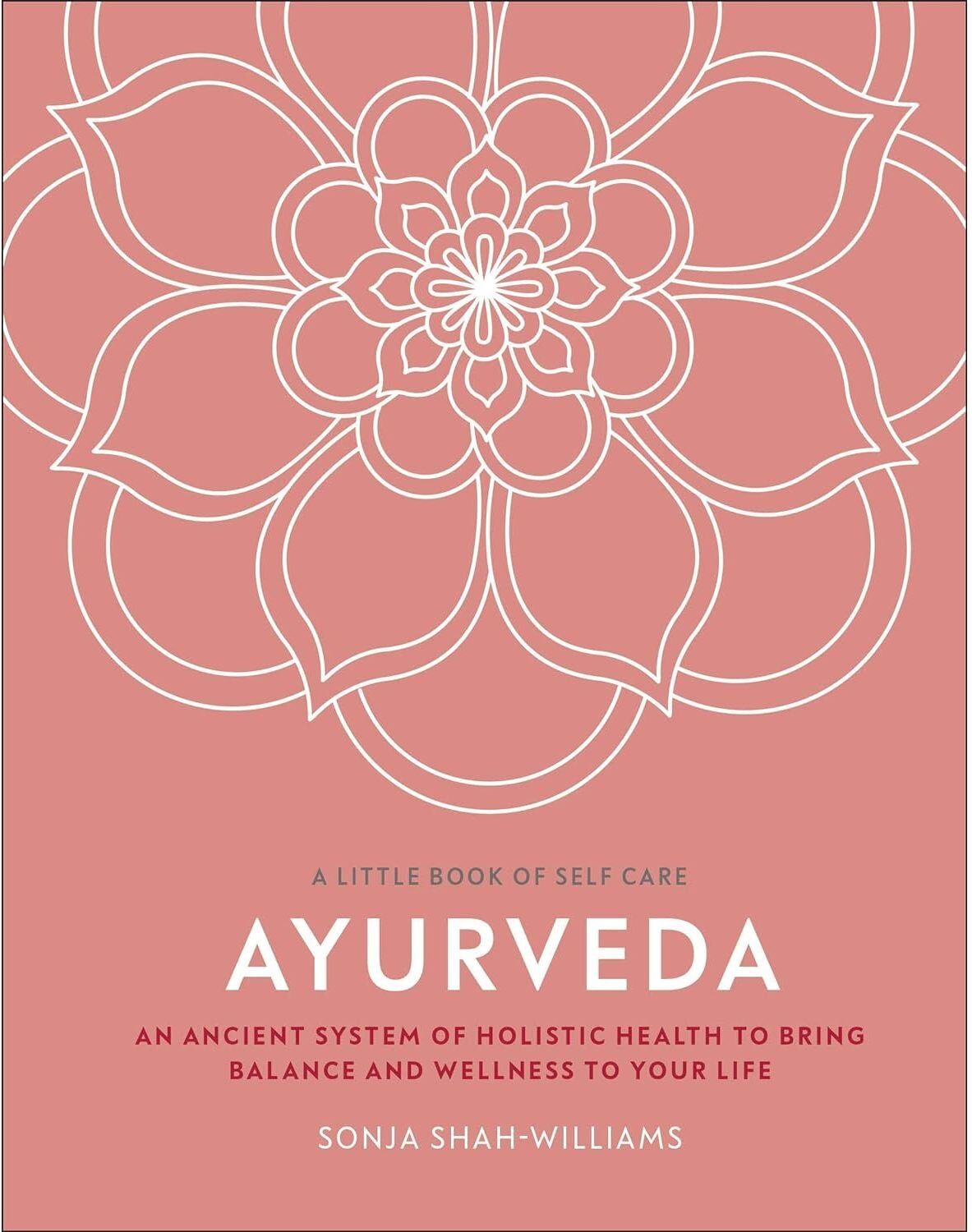
DK Ayurveda: An Ancient System of Holistic Health to Bring Balance and Wellness to Your Life (A Little Book of Self Care)Make Ayurveda an indispensable part of your daily routine with this step-by-step guide to holistic balance and wellness. For a natural approach to self-healing, alternative medicine, and wellness, expert Sonja Shah-Williams has tailored remedies including Ayurveda recipes, skincare, yoga, and mindful meditation techniques. Harness the power of alternative therapies and discover: - What Ayurveda is and the benefits of the practice - Easy to follow, step by step illustrated guide to Ayurvedic practices - Ayurvedic super-foods and recipes - How to easily incorporate holistic practices into daily life - Positive affirmations, mindfulness techniques and exercises Modern science has proved the effectiveness of Ayurveda as a view of the world based on ancient beliefs that everything is connected and that balance is the key to wellbeing. Ayurveda focuses on the prevention of disease by focusing on anti-inflammatory diets, mindful meditation, and massages. This practical guide is an Ayurvedic consultation at your disposal. This little self-care book will take you on a breathtaking journey of holistic healing. It begins by unpacking what Ayurveda is and the benefits of the practice. This reference book includes wellness practices designed to uplift the mind, body, and spirit and healing treatments designed to address, relieve, and help cure a range of common conditions.4,95 £*Shipping: 1,99 £Secure redirect to the provider
-
ECO-SALIM Organic Erythritol Sweetener 500 grNutrition and Supplements Sweeteners ECO-SALIM Organic Erythritol Sweetener 500 gr Obtained natural fermentation fruits such as pear, melon and some mushrooms. Zero calories, carbohydrates. No bitter aftertaste.6,34 £*Shipping: 4,99 £Secure redirect to the provider
-
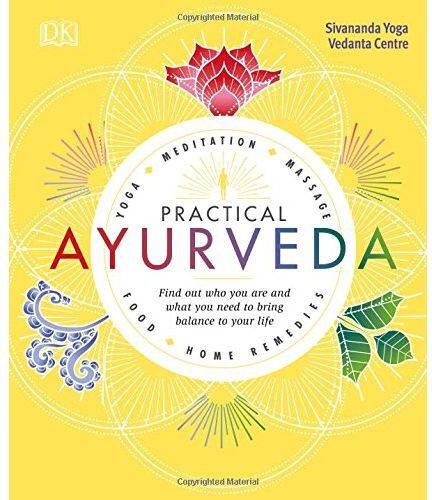
DK Practical Ayurveda – Find Out Who You Are and What You Need to Bring Balance to Your Life Holistic Health & Ayurvedic Wellness GuideDiscover the ancient wisdom of Ayurveda with Practical Ayurveda: Find Out Who You Are and What You Need to Bring Balance to Your Life, a clear and accessible guide to holistic wellbeing. Rooted in centuries of traditional Indian medicine, Ayurveda focuses on understanding your unique body type—or dosha—to achieve harmony between body, mind, and spirit. This practical guide helps readers identify their personal constitution and learn simple lifestyle, diet, and wellness practices to restore natural balance. Through easy explanations, self-assessment tools, and practical advice, this book introduces readers to Ayurvedic principles including nutrition, daily routines, herbal remedies, and mindful living. What You’ll Discover: How to identify your Ayurvedic dosha (Vata, Pitta, or Kapha) Practical tips for improving health, energy, and balance Guidance on Ayurvedic diet and lifestyle practices Natural approaches to managing stress and wellbeing Simple steps to integrate ancient wisdom into modern life Perfect for beginners and anyone interested in natural health, holistic living, and mind-body balance, Practical Ayurveda offers an inspiring introduction to one of the world’s oldest healing traditions.7,99 £*Shipping: 2,99 £Secure redirect to the provider
-
Inspired Finds Reusable Organic Beeswax Food Wrap Set Eco Friendly Fresh Keeping Kitchen Wraps eco GardenReduce kitchen waste while keeping food naturally fresh with these beeswax food wraps. Designed as a sustainable alternative to disposable plastic wrap, they help preserve fruits, vegetables, bread, cheese, and leftovers while allowing food to...127,99 $*Shipping: 0,00 $Secure redirect to the provider


-
Why is organic chemistry called organic chemistry?
Organic chemistry is called so because it was originally believed that compounds found in living organisms could only be produced by living organisms, and were therefore called "organic" compounds. This belief was later disproven, but the name stuck. Organic chemistry is the study of carbon-containing compounds, which are abundant in living organisms, and it focuses on the structure, properties, and reactions of these compounds. **
-
Is low-fat milk organic and environmentally friendly?
Low-fat milk can be organic if it is produced without the use of synthetic pesticides, fertilizers, or genetically modified organisms. Organic farming practices are generally more environmentally friendly as they promote soil health, biodiversity, and water conservation. However, the environmental impact of any dairy product, including low-fat milk, also depends on factors such as transportation, packaging, and waste management. It is important to look for certifications such as USDA Organic or other reputable organic certifications to ensure that the low-fat milk you choose is both organic and environmentally friendly. **
-
What is the difference between organic and non-organic?
Organic products are grown and produced without the use of synthetic pesticides, fertilizers, or genetically modified organisms. They also do not contain artificial preservatives or additives. Non-organic products, on the other hand, may contain synthetic chemicals and pesticides, and are often produced using genetically modified organisms. Organic farming practices also focus on sustainability and environmental conservation, while non-organic farming may have a greater impact on the environment. **
-
Is organic meat still unhealthy, even if it's organic?
Organic meat is generally considered to be healthier than conventionally raised meat because it is produced without the use of synthetic pesticides, hormones, or antibiotics. However, it is still important to consume organic meat in moderation and as part of a balanced diet. Organic meat can still be high in saturated fat and cholesterol, so it is important to consider portion sizes and overall dietary choices. Additionally, the way the meat is prepared and cooked can also impact its healthfulness. **


'Psychological or organic?'
When determining the cause of a particular symptom or condition, it is important to consider whether it is psychological or organic in nature. Psychological issues are related to mental and emotional factors, such as stress, trauma, or mood disorders, while organic issues are related to physical factors, such as genetics, hormones, or brain chemistry. It is important to consider both possibilities and seek professional help to accurately diagnose and address the underlying cause. Sometimes, symptoms may have both psychological and organic components, requiring a comprehensive approach to treatment. **
What is the difference between organic construction and organic architecture?
Organic construction refers to the use of natural materials and sustainable building practices in the construction process. On the other hand, organic architecture is a design philosophy that seeks to integrate buildings harmoniously with their natural surroundings, often using organic forms and principles inspired by nature. While organic construction focuses on the materials and methods used in building, organic architecture is more about the overall design approach and aesthetic of the structure. **
Top-Angebote
Products related to Ayurveda-Ghee-with-Organic:
-
Ayurveda Ghee with Organic Coconut Oil 350 grNutrition and Supplements Sauces and Condiments Ayurveda Ghee with Organic Coconut Oil 350 gr Ghee is the purified butter, or also called "liquid gold" so famous in India for its therapeutic qualities, both taken internally and applied externally to the skin. It has been part of the diet of the Hindu people since time immemorial; we already find it cited in the ancient texts of Vedic science and in the Rig Veda it is considered sacred and pure. Ghee is considered one of the best foods to soothe Pitta and Vata and according to Charaka it is the best of the unctuous substances.8,65 £*Shipping: 3,99 £Secure redirect to the provider
-
DK Ayurveda: An Ancient System of Holistic Health to Bring Balance and Wellness to Your Life (A Little Book of Self Care)Make Ayurveda an indispensable part of your daily routine with this step-by-step guide to holistic balance and wellness. For a natural approach to self-healing, alternative medicine, and wellness, expert Sonja Shah-Williams has tailored remedies including Ayurveda recipes, skincare, yoga, and mindful meditation techniques. Harness the power of alternative therapies and discover: - What Ayurveda is and the benefits of the practice - Easy to follow, step by step illustrated guide to Ayurvedic practices - Ayurvedic super-foods and recipes - How to easily incorporate holistic practices into daily life - Positive affirmations, mindfulness techniques and exercises Modern science has proved the effectiveness of Ayurveda as a view of the world based on ancient beliefs that everything is connected and that balance is the key to wellbeing. Ayurveda focuses on the prevention of disease by focusing on anti-inflammatory diets, mindful meditation, and massages. This practical guide is an Ayurvedic consultation at your disposal. This little self-care book will take you on a breathtaking journey of holistic healing. It begins by unpacking what Ayurveda is and the benefits of the practice. This reference book includes wellness practices designed to uplift the mind, body, and spirit and healing treatments designed to address, relieve, and help cure a range of common conditions.4,95 £*Shipping: 1,99 £Secure redirect to the provider
-
ECO-SALIM Organic Erythritol Sweetener 500 grNutrition and Supplements Sweeteners ECO-SALIM Organic Erythritol Sweetener 500 gr Obtained natural fermentation fruits such as pear, melon and some mushrooms. Zero calories, carbohydrates. No bitter aftertaste.6,34 £*Shipping: 4,99 £Secure redirect to the provider
-
Is organic sustainable?
Organic farming practices can be more sustainable than conventional methods in terms of reducing chemical inputs, promoting biodiversity, and improving soil health. However, there are challenges to the scalability and efficiency of organic farming, which can impact its overall sustainability. For example, organic farming typically requires more land and labor to produce the same amount of food as conventional methods, which can limit its ability to meet global food demand. Additionally, the transportation and distribution of organic products can have a higher environmental impact due to their shorter shelf life and the need for refrigeration. Overall, while organic farming has many sustainable benefits, there are also limitations to its long-term sustainability on a large scale. **
-
What is the difference between organic and eco-friendly products?
Organic products are made from ingredients that are grown without the use of synthetic pesticides, herbicides, or fertilizers, and are often certified by a regulatory body. Eco-friendly products, on the other hand, are designed to have minimal impact on the environment throughout their entire lifecycle, from production to disposal. While organic products focus on the natural ingredients used, eco-friendly products consider the overall environmental impact of the product. In essence, organic products focus on the ingredients, while eco-friendly products focus on the entire product lifecycle. **
-
Why is organic chemistry called organic chemistry?
Organic chemistry is called so because it was originally believed that compounds found in living organisms could only be produced by living organisms, and were therefore called "organic" compounds. This belief was later disproven, but the name stuck. Organic chemistry is the study of carbon-containing compounds, which are abundant in living organisms, and it focuses on the structure, properties, and reactions of these compounds. **
-
Is low-fat milk organic and environmentally friendly?
Low-fat milk can be organic if it is produced without the use of synthetic pesticides, fertilizers, or genetically modified organisms. Organic farming practices are generally more environmentally friendly as they promote soil health, biodiversity, and water conservation. However, the environmental impact of any dairy product, including low-fat milk, also depends on factors such as transportation, packaging, and waste management. It is important to look for certifications such as USDA Organic or other reputable organic certifications to ensure that the low-fat milk you choose is both organic and environmentally friendly. **
Similar search terms for Ayurveda-Ghee-with-Organic
-
DK Practical Ayurveda – Find Out Who You Are and What You Need to Bring Balance to Your Life Holistic Health & Ayurvedic Wellness GuideDiscover the ancient wisdom of Ayurveda with Practical Ayurveda: Find Out Who You Are and What You Need to Bring Balance to Your Life, a clear and accessible guide to holistic wellbeing. Rooted in centuries of traditional Indian medicine, Ayurveda focuses on understanding your unique body type—or dosha—to achieve harmony between body, mind, and spirit. This practical guide helps readers identify their personal constitution and learn simple lifestyle, diet, and wellness practices to restore natural balance. Through easy explanations, self-assessment tools, and practical advice, this book introduces readers to Ayurvedic principles including nutrition, daily routines, herbal remedies, and mindful living. What You’ll Discover: How to identify your Ayurvedic dosha (Vata, Pitta, or Kapha) Practical tips for improving health, energy, and balance Guidance on Ayurvedic diet and lifestyle practices Natural approaches to managing stress and wellbeing Simple steps to integrate ancient wisdom into modern life Perfect for beginners and anyone interested in natural health, holistic living, and mind-body balance, Practical Ayurveda offers an inspiring introduction to one of the world’s oldest healing traditions.7,99 £*Shipping: 2,99 £Secure redirect to the provider
-
Inspired Finds Reusable Organic Beeswax Food Wrap Set Eco Friendly Fresh Keeping Kitchen Wraps eco GardenReduce kitchen waste while keeping food naturally fresh with these beeswax food wraps. Designed as a sustainable alternative to disposable plastic wrap, they help preserve fruits, vegetables, bread, cheese, and leftovers while allowing food to...127,99 $*Shipping: 0,00 $Secure redirect to the provider
-
"TIMELESS Organic Cotton Napkins - Handmade, Fair Trade, Eco-Dyed by Sustainable Threads - 20""x20"" (Set of 2)"TIMELESS Collection Handwoven Organic Cotton Napkins - Set of 2 Classic and enduring, these yarn-dyed, handwoven napkins are crafted from indigenous, drought-resistant organic cotton using traditional handspun and botanical dye methods.64,00 $*Shipping: 0,00 $Secure redirect to the provider
-
What is the difference between organic and non-organic?
Organic products are grown and produced without the use of synthetic pesticides, fertilizers, or genetically modified organisms. They also do not contain artificial preservatives or additives. Non-organic products, on the other hand, may contain synthetic chemicals and pesticides, and are often produced using genetically modified organisms. Organic farming practices also focus on sustainability and environmental conservation, while non-organic farming may have a greater impact on the environment. **
-
Is organic meat still unhealthy, even if it's organic?
Organic meat is generally considered to be healthier than conventionally raised meat because it is produced without the use of synthetic pesticides, hormones, or antibiotics. However, it is still important to consume organic meat in moderation and as part of a balanced diet. Organic meat can still be high in saturated fat and cholesterol, so it is important to consider portion sizes and overall dietary choices. Additionally, the way the meat is prepared and cooked can also impact its healthfulness. **
-
'Psychological or organic?'
When determining the cause of a particular symptom or condition, it is important to consider whether it is psychological or organic in nature. Psychological issues are related to mental and emotional factors, such as stress, trauma, or mood disorders, while organic issues are related to physical factors, such as genetics, hormones, or brain chemistry. It is important to consider both possibilities and seek professional help to accurately diagnose and address the underlying cause. Sometimes, symptoms may have both psychological and organic components, requiring a comprehensive approach to treatment. **
-
What is the difference between organic construction and organic architecture?
Organic construction refers to the use of natural materials and sustainable building practices in the construction process. On the other hand, organic architecture is a design philosophy that seeks to integrate buildings harmoniously with their natural surroundings, often using organic forms and principles inspired by nature. While organic construction focuses on the materials and methods used in building, organic architecture is more about the overall design approach and aesthetic of the structure. **
* All prices are inclusive of VAT and, if applicable, plus shipping costs. The offer information is based on the details provided by the respective shop and is updated through automated processes. Real-time updates do not occur, so deviations can occur in individual cases. ** Note: Parts of this content were created by AI.